Featured
Table of Contents
There are 7 stages of sorrow in the mourning process. If a person has an enjoyed one or close friend who is experiencing pain, they can help them cope in numerous methods.
Furthermore, regional and national assistance teams might be a vital resource of comfort and friendship to those that have actually experienced a loss. Continue reading to find out about the stages of the mourning process, kinds of despair, exactly how to provide assistance, and extra. Grief is a natural experience that assists an individual process the discomfort of loss and approach recovery.
Important Considerations in a IFS Therapist Who Specializes in Depression Specialists
, Dr. Elisabeth Kubler-Ross established that there are five stages of grief: denialangerbargainingdepressionacceptanceHowever,, despair expert David Kressler has discussed additional stages of sorrow. As a result, individuals usually describe seven stages of sorrow. They consist of the following: This stage might entail numbed disbelief in feedback to news of a loss. It might act as an emotional barrier to stop someone from really feeling bewildered.
Bargaining includes ideas such as "I will certainly do anything if you eliminate the discomfort." This phase might come at any type of point within the mourning procedure. Sense of guilt frequently accompanies it. At this phase, an individual might experience sensations of emptiness and extreme unhappiness. They might likewise withdraw from daily activities and points they when appreciated.

Examining is the process of trying to locate options that offer a way of handling loss. A person might wander in and out of other grieving phases during this time around. This is the last of the mourning procedure. Acceptance does not mean individuals feel okay concerning a loss. Rather, it suggests they understand the loss is their brand-new truth.
Releasing Achievement-Oriented Internal Systems
This phase may involve rearranging roles and developing new relationships. The grieving process has no set period, and individuals relocate through each phase at differing rates. Signs of despair largely solve after. However, this timeline is various for everyone. In addition, instead of experiencing a steady decrease in sorrow, an individual's emotions tend to fluctuate over time and can be found in waves.
Anticipatory despair is a lot more likely in people with reliant partnerships or restricted social support."Regular" despair is a progressive development towards acceptance.
The Exiles That Fuel Excellence
This is a pattern where signs take place much later than is typical. This is a pattern where signs continue over a prolonged period. This is a pattern of incredibly extreme signs and symptoms. This is a kind of complex sorrow that entails extreme sorrow after 12 months have actually passed or 6 months for youngsters and adolescents.
The Analysis and Analytical Guidebook of Mental Disorders, 5th edition, text alteration (DSM-5-TR) identifies extended grief as an independent problem. Support system might offer comfort, friendship, and recognition. They can additionally serve as a resource of useful information. A person can discover teams in their neighborhood via recreation center, hospices, places of praise, and healthcare facilities.
If you understand your feelings, take care of on your own, and look for support, you can heal. Everybody experiences pain in different ways. This used to be called "normal" pain. With this, your sorrow signs and symptoms are most extreme for 6 months after a loss. However they minimize with time. In this sort of despair, you experience loss before it happens.
Compassionately Addressing Perfectionist Parts in High-Achievers
Or perhaps you're so busy with useful matters that you don't have time to feel despair until a later point. This is when you don't reveal any type of outward indicators of grieving. However you may be resolving complex sensations internally. This takes place when you're processing several losses simultaneously.
Advancing grief makes the mourning process much longer and much more complex. This kind of pain happens when you have actually prolonged difficulties after a loss, making that make it difficult to obtain on with daily life.
This is when you regret far-reaching losses as part of a team. Instances are all-natural catastrophes, college shootings, and pandemics. Likewise referred to as complex sorrow, it's extremely similar to distressing grief. As this type of pain is intense and long lasting, it disrupts your day-to-day life. Your sorrow doesn't diminish gradually.
Despair is the experience of dealing with loss. It's related to the death of a liked one, yet you can really feel sorrow as a result of any kind of adjustment that tests your identity or life regimens. You may regret: The fatality of your good friend, member of the family, partner, or family pet. Completion of your marital relationship or a relationship.
Creating a Life of Authentic Fulfillment in Sacramento
Loss of your health. Loss of the life you had before an impairment or health problem. Your own loss of life as you prepare for fatality.
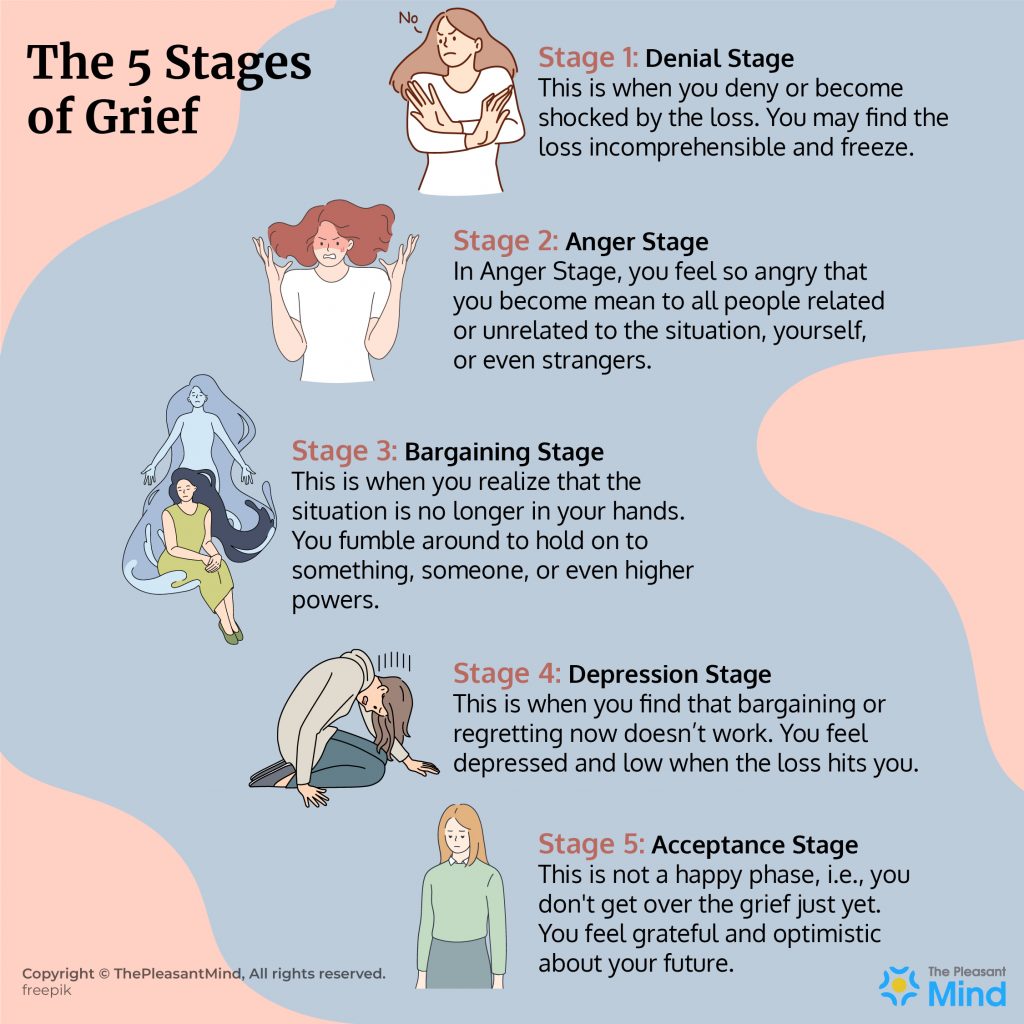
Thoughts such as "if only" and "what if" are common at this phase. Sadness collections in as you begin to understand the loss and its result on your life.
You also might have contrasting or puzzling emotions, such as: Feeling unfortunate that a loved one died, however additionally a feeling of alleviation that they're not hurting. Missing your spouse after separation, however likewise rejoicing concerning a new start. Having regret for being glad, as you no longer have to take treatment of a dying enjoyed one.

Table of Contents
Latest Posts
Core Self vs. Professional Persona: Reclaiming Your Authentic Identity Through IFS in Sacramento
Enduring Wellness Through Trauma Treatment in Denver
Recovering Trust Through Healing Trauma Through Relationship Therapy for Individuals
More
Latest Posts
Core Self vs. Professional Persona: Reclaiming Your Authentic Identity Through IFS in Sacramento
Enduring Wellness Through Trauma Treatment in Denver
Recovering Trust Through Healing Trauma Through Relationship Therapy for Individuals